Freebie Minimal Wood Digital Paper: A Practical Evaluation for Design Projects
Digital design assets come in many forms, but few offer the combination of natural texture and understated versatility found in wood-themed paper collections. The Freebie Minimal Wood Digital Paper set, which includes 18 individual JPG files, presents a specific option for designers, crafters, and content creators who want a clean, wood-grain aesthetic without overwhelming visual complexity. Understanding what this product delivers, where it excels, and where it may fall short can help you determine whether it aligns with your creative needs and project goals.
What Is Freebie Minimal Wood Digital Paper?
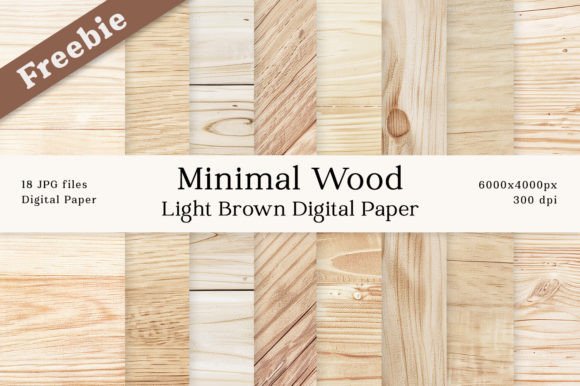
This product is a digital download comprising 18 distinct wood-pattern designs. Each file is a JPG image measuring 6000x4000 pixels at 300 dots per inch (dpi). The set focuses on a minimal aesthetic, meaning the wood textures are subtle, clean, and restrained rather than heavy, rustic, or highly distressed. The name “Freebie Minimal Wood Digital Paper” suggests that at least some of these patterns, possibly the lighter wood variants, are offered as a complimentary or budget-friendly resource, though the exact pricing structure may vary across platforms. All files are delivered digitally for instant download, so no physical product ships.
The resolution and dimensions are noteworthy: 6000x4000 pixels at 300 dpi provides enough detail for large-scale printing, such as posters or canvas prints, while remaining manageable for digital use. The JPG format ensures broad compatibility across software and devices, though it does mean the files use lossy compression and lack transparent backgrounds.
Why Designers and Creators Might Consider This Set
The appeal of Freebie Minimal Wood Digital Paper lies largely in its aesthetic neutrality and production quality. For many projects, a wood texture adds warmth and organic feel, but heavily patterned or dark wood can dominate a composition. Minimal wood papers strike a balance: they provide texture and visual interest without competing with foreground elements such as text, illustrations, or photographs.
Another factor is the resolution. At 6000x4000 pixels, these papers can be used for printed products up to roughly 20 by 13 inches at full quality, or larger if scaled with acceptable results. For digital projects, the high pixel count gives flexibility for cropping, resizing, and layering. The 300 dpi standard aligns with professional print requirements, meaning these files are ready for commercial printing workflows without upscaling.
The number of patterns—18—offers variety without being overwhelming. This allows you to select a specific wood tone or grain direction for different elements within a single project, such as a presentation deck, a set of social media templates, or a product packaging line. Having multiple options reduces the need to purchase additional texture sets for minor variations.
Key Benefits and Practical Strengths
One significant benefit is the instant download delivery. Digital files eliminate shipping time and cost, making this set suitable for urgent projects or last-minute design needs. The JPG format requires no specialized software to open—any image editor, presentation tool, or even basic preview application can handle it. This lowers the barrier for beginners or those working with limited software resources.
The minimal style suits contemporary and Scandinavian-inspired design trends. Clean lines, light palettes, and natural materials are common in branding, home décor, and wedding stationery. The light brown wood papers in particular can serve as unobtrusive backgrounds for invitations, menus, or thank-you cards. The darker minimal patterns offer contrast while still avoiding the busy look of highly grained or knot-filled wood.
Commercial use rights, as stated in the product description, add to the value. For small business owners, Etsy sellers, or freelance designers, being able to use these papers in products such as mugs, bags, stickers, and t-shirts without separate licensing fees is cost-effective. However, you should always verify the exact terms on the platform where you download, as usage rights can vary between sellers.
Applications Where This Digital Paper Performs Well
Freebie Minimal Wood Digital Paper is particularly well-suited for projects where the texture adds depth but the design remains the primary focus. For example, if you create art prints with typography overlaid, a subtle wood background can make the text feel grounded and warm. In scrapbooking or memory keeping, these papers provide a cohesive, neutral base that works across multiple pages without clashing with photos or embellishments.
For presentation decks, especially in fields like interior design, architecture, or sustainable products, a minimal wood background can reinforce a natural, professional tone. Similarly, product mockups for mugs, notebooks, or phone cases benefit from realistic textures that don’t distract from the product itself. Social media graphics, blog headers, and YouTube thumbnails can also use these papers to build a consistent visual identity around natural elements.
The set is also useful for event materials. Weddings, showers, and corporate gatherings often use wood-themed stationery, and having a collection of minimal papers allows you to coordinate save-the-dates, programs, place cards, and signage without repeating the exact same pattern.
Tradeoffs and Limitations You Should Consider
Despite its strengths, the Freebie Minimal Wood Digital Paper set is not a universal solution. One limitation is the JPG format. While convenient, JPG files do not support transparency, which means you cannot place them over other images without first masking or using blending modes. For layered compositions, a PNG with transparent background would be more flexible. If your workflow relies heavily on non-destructive editing and transparent overlays, you may need to convert the files or look for alternative resources.
The minimal aesthetic, while appealing for many, may not suit projects that require strong character, rustic charm, or vintage warmth. If you are designing for a brand that deliberately uses highly textured, reclaimed-wood looks, this set might feel too clean. Similarly, if you need patterns with pronounced grain, distinct color variation, or rough edges, these papers could appear flat in comparison.
Another consideration is the absence of variation in texture type. All 18 papers follow a minimal wood grain theme. There are no distressed, painted, or weathered options, and no additional surface textures such as metal, concrete, or fabric. If your project requires mixing different natural surfaces, you will need to source other sets or create them yourself.
Color range is also relatively narrow. While the set offers minimal and light brown wood tones, it likely does not include dark walnut, gray driftwood, or whitewashed options. For projects requiring a broader spectrum of wood colors, you may need additional packs.
Scenarios Where Alternatives Are Worth Exploring
If your project involves extensive compositing or layering with transparent elements, consider digital paper in PNG format or a set that includes both JPG and PNG files. For scrapbooking kits that include matching embellishments, frames, and elements, you might prefer an all-in-one bundle rather than a standalone paper set. Similarly, if you need precise control over pattern scale or color, a set of wood textures in PSD or TIFF format with adjustable layers could offer more flexibility.
For designers who specialize in mockups or product photography, you may benefit from high-resolution wood textures that are tileable or seamless. The Freebie Minimal Wood Digital Paper set does not explicitly mention seamless tiling, and large single-sheet patterns may show repeats when used over wide areas. If you plan to use these papers as website backgrounds or large-format prints, check the pattern repeat visibility before committing.
Another scenario is when you need very specific wood types, such as oak, walnut, cherry, or maple. This collection uses a generic minimal wood aesthetic rather than species-specific grain patterns. For brand identities that reference particular wood materials, seek out specialized texture libraries that label each pattern by wood type.
Practical Decision-Making Insights
To evaluate whether Freebie Minimal Wood Digital Paper meets your needs, start by defining the primary use case. Ask yourself: Is this for print or digital? What size and resolution does my output require? How important is texture subtlety versus texture character? The 6000x4000 pixel dimension and 300 dpi resolution cover most standard print and large-screen digital applications, so for typical projects, the technical specifications are more than adequate.
Consider also your workflow and file format preferences. If you work in Adobe Photoshop, Canva, Affinity Designer, or similar tools, JPG files integrate smoothly. If you rely on software that requires layered files or transparency for compositing, factor in the extra steps needed to create masks or convert formats. The set’s ease of use is genuine for straightforward backgrounds and surfaces, but less so for complex multi-layer designs.
Budget is another practical angle. If this set is offered as a freebie, it represents a low-risk opportunity to test minimal wood textures in your work. Even if it is a low-cost paid product, the cost per pattern is typically economical compared to custom photography or texture creation. For one-off projects or small-scale use, the investment is minimal. For large-scale commercial use involving many products, verify that the license covers your intended volume and distribution channels.
Finally, think about the aesthetic continuity across your project. If you are designing a series of products or a brand kit, having 18 related wood patterns provides internal consistency. This can be more valuable than mixing papers from different sources that may vary in lighting, saturation, or grain direction. The minimal style also pairs well with other textures, so you can combine these papers with solid colors, geometric patterns, or photographic elements without conflicting styles.
Evaluating Fit for Your Specific Goals
For crafters and hobbyists who make cards, scrapbooks, or small home décor items, this set offers a convenient, ready-to-use resource with professional print quality. The variety of 18 patterns allows for mixing and matching across projects without monotony. If you enjoy creating physical products like gift tags, stickers, or canvas prints, the high resolution ensures crisp results at typical craft sizes.
For small business owners and Etsy sellers, the commercial use provision is a practical advantage. You can use these papers across multiple product lines, from mugs and bags to posters and notebooks, without additional licensing costs. This consolidates your design assets and reduces the need to source new textures for each product launch. However, always confirm whether the license covers digital products you sell, as some commercial licenses restrict certain types of digital redistribution.
For graphic designers working with clients, these papers can serve as background textures in branding materials, pitch decks, or concept mockups. Their neutral tone means they rarely need color correction or heavy editing, saving time. The main limitation is the lack of customization inherent in the JPG format. If a client requests a specific wood color or pattern modification, you may need to start from a raw texture file or a more editable asset.
For educators and students creating instructional materials, the simplicity of the set works well for slides, handouts, and posters. The minimal wood look adds visual interest without distracting from content. The instant download and universal JPG format also simplify sharing and collaboration among team members or classmates.
Final Considerations Before Downloading
The Freebie Minimal Wood Digital Paper set occupies a specific niche: clean, subtle wood textures for projects that benefit from natural aesthetics without complexity. Its strengths are resolution, variety, ease of use, and commercial licensing. Its tradeoffs include the JPG format’s lack of transparency, the limited color and texture range, and the absence of seamless or species-specific patterns.
If your project priorities align with neutral, minimal wood backgrounds for print or digital use at standard sizes, this set is likely a strong fit. If you require transparent overlays, heavily distressed wood, or exact species replication, you will need to supplement or substitute with other resources. The product description promises a straightforward, practical asset, and when evaluated against its own claims, it delivers on providing high-resolution, minimal wood papers for a wide range of design projects.
Ultimately, the decision rests on matching the product’s characteristics to your specific workflow, aesthetic preferences, and output requirements. By considering the points outlined here, you can make an informed choice about whether this digital paper collection supports your creative objectives or whether an alternative texture resource would serve you better.