Mastering the Art of the Leopard Tumbler Wrap Design for Custom Drinkware
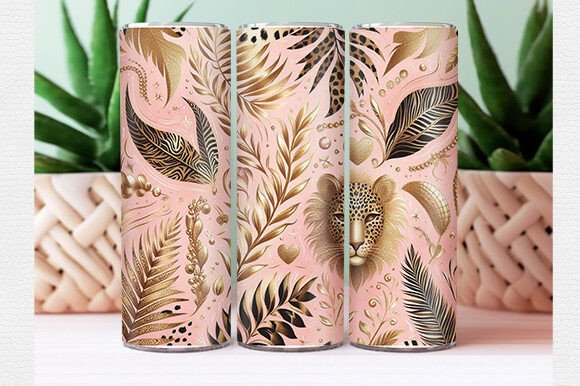
Customizing drinkware has evolved far beyond simple monograms or basic color blocks. Among the most sought-after patterns in the personalization world, the Leopard Tumbler Wrap stands out as a bold, versatile choice that appeals to a wide range of creators and consumers. Whether you are a small business owner looking to expand your product line, a hobbyist experimenting with resin or epoxy, or simply someone who loves carrying a unique tumbler to the office, understanding how to work with a digital wrap file can transform your final product. This article explores the practical, technical, and creative aspects of using a Leopard Tumbler Wrap, with a specific focus on the high-resolution PNG files designed for 20 oz skinny tumblers.
Why the Leopard Tumbler Wrap Appeals to a Broad Audience
The leopard print pattern carries a unique cultural and aesthetic weight. It is simultaneously classic and trendy, bold yet surprisingly adaptable. In the context of a tumbler wrap, this pattern allows for a statement piece that fits into everyday life. Professionals may use it as a conversation starter at meetings, while creators find it a reliable seller in online shops. The Leopard Tumbler Wrap is not just a design; it is a tool for self-expression that bridges the gap between wild creativity and functional design. The digital format of this wrap makes it accessible to anyone with a printer and a tumbler, removing the need for expensive manufacturing runs.
Understanding the Digital Product: What Your Purchase Includes
When you acquire a Leopard Tumbler Wrap, you are investing in a digital asset that gives you full control over the final appearance. A typical digital pack contains two 300 PPI high-resolution PNG files, specifically tailored for two common tumbler shapes:
- Straight 20 oz PNG: Designed for tumblers with a uniform diameter from top to bottom. This file wraps around the tumbler seamlessly, requiring minimal adjustment.
- Tapered 20 oz PNG: Crafted for tumblers that narrow at the base. The tapering is accounted for in the digital file, ensuring the pattern aligns correctly without distortion.
The 300 PPI resolution is a critical feature. It ensures that when you print the wrap, the leopard spots remain sharp, the transitions are smooth, and the overall image does not pixelate. For a product like a tumbler that is handled daily, print quality directly impacts perceived value.
Technical Specifications and the Skinny Tumbler Fit
A common pain point in tumbler customization is ensuring the wrap fits the specific dimensions of the cup. The Leopard Tumbler Wrap is guaranteed to be designed for a skinny tumbler 20 oz. This is a specific category of drinkware that has different proportions than a standard 20 oz cup. Skinny tumblers are taller and narrower, which means a generic wrap will either overlap, leave gaps, or distort the pattern.
The provided files are engineered to match the circumference and height of a typical skinny tumbler. However, slight variations exist between manufacturers. This is why the product includes free tumbler templates. These templates allow you to test the fit on your specific tumbler before committing to the final print. By using the template, you can:
- Verify that the wrap height matches your tumbler's usable surface.
- Check the alignment of the pattern where the two edges meet.
- Make minor adjustments to the PNG image size if your tumbler deviates from standard dimensions.
This flexibility is essential for anyone who sources tumblers from different suppliers or uses vintage cups.
Working with PNG Files: From Digital to Physical
The digital format of the Leopard Tumbler Wrap lends itself to a straightforward workflow. PNG files support transparent backgrounds, which is beneficial if you plan to layer the wrap over a colored base or if you are using a sublimation method. Here is how creators typically proceed:
- Printing: Using a high-quality inkjet or laser printer, the PNG is printed onto specialized transfer paper or adhesive vinyl, depending on the intended application method (sublimation, epoxy, or vinyl overlay).
- Cutting: The wrap is cut out, typically with a small margin for overlap or alignment. The high resolution of the 300 PPI file ensures that even intricate cutting around the edges remains clean.
- Application: The wrap is carefully positioned on the tumbler. For sublimation, heat and pressure activate the ink transfer. For vinyl, the adhesive backing is applied and smoothed to avoid bubbles.
- Sealing (optional): Many creators apply a layer of epoxy resin over the wrap to create a durable, glossy, and dishwasher-safe finish. The high detail of the leopard pattern shows beautifully through a clear coat.
This process is repeatable, allowing a creator to produce multiple tumblers with consistent results. The non-refundable nature of the digital product is standard in this industry because the file itself is an unlimited-use asset; once downloaded, the customer has permanent access to the design.
Practical Real-World Use Cases for the Leopard Tumbler Wrap
The versatility of the leopard pattern means the wrap can be used across different contexts. Consider these scenarios:
Small Business Product Lines: A boutique owner might offer a line of customized tumblers featuring the Leopard Tumbler Wrap as a signature item. Because the digital file is reusable, they can produce as many units as needed without recurring licensing fees. Offering both straight and tapered versions ensures they can cater to customers who prefer different tumbler shapes.
Personalized Gifts: For a friend or family member who loves bold patterns, a leopard-print tumbler is a thoughtful and functional gift. The ability to adjust the size using the free template means the giver can ensure a perfect fit, resulting in a polished, professional-looking present.
Workshops and Classes: Educators teaching tumbler customization or resin art can use the Leopard Tumbler Wrap as a consistent example for students. The clear PNG files and included templates reduce setup time, allowing more focus on technique.
Brand Collaborations: A brand with a jungle or safari theme could incorporate the leopard wrap into limited-edition merchandise. The digital format allows for quick prototyping and sampling before committing to larger production runs.
Considerations Before You Download and Print
While the digital Leopard Tumbler Wrap offers tremendous creative freedom, there are a few practical considerations to keep in mind:
- Printer Quality: Not all printers render 300 PPI images equally. A calibrated printer with good color management will produce richer spots and more accurate contrast. Test prints on plain paper are recommended before using expensive transfer media.
- Material Compatibility: The PNG file itself is agnostic, but the transfer method matters. Sublimation works best on polyester-coated tumblers, while adhesive vinyl adheres to stainless steel or glass. Always match the file with the appropriate substrate.
- Size Adjustments: Although the file is designed for a skinny tumbler 20 oz, the free template is your best friend. Measure your tumbler's exact circumference and height. If adjustments are needed, resize the PNG proportionally in image editing software to avoid stretching the leopard spots.
- Digital Product Nature: Because this is a non-refundable digital product, there will be no physical item shipped. Treat the download as a permanent asset. Backup the file to multiple locations, as the original download link may expire after a set period.
Pattern Characteristics and Design Integrity
The leopard print itself has distinct visual characteristics. A high-quality Leopard Tumbler Wrap will feature:
- Irregular spot shapes: True leopard spots are not uniform circles; they have jagged edges and varied sizes. The PNG files should preserve this organic quality.
- Contrasting background: The classic leopard pattern uses a warm tan or golden background with dark brown and black spots. This contrast is what makes the pattern pop on a cylindrical surface.
- Seamless repeat: The wrap should be designed so that when the two ends meet around the tumbler, the pattern continues without obvious breaks or misalignments. The templates help verify this before final application.
When the wrap is applied correctly, the leopard pattern encircles the tumbler in a continuous flow, creating a cohesive and visually appealing surface. The high resolution ensures that the details remain crisp even when viewed up close.
Extending the Life of Your Tumbler Wrap Project
Once the Leopard Tumbler Wrap is applied, maintenance depends on the finishing method. If you use a UV-resistant epoxy coating, the tumbler can handle frequent washing and sunlight exposure without fading. If you use standard vinyl without a sealant, hand washing and avoiding prolonged direct sunlight will extend the life of the wrap. The durability of the final product ultimately reflects the care taken during application and the quality of the materials used alongside the digital file.
For creators who sell tumblers, offering care instructions with each purchase not only protects your work but also builds trust with customers. The leopard pattern, when well-maintained, remains striking for years.
Final Thoughts on Using a Digital Leopard Tumbler Wrap
The Leopard Tumbler Wrap represents a convergence of classic design and modern digital crafting. By providing two high-resolution PNG files for straight and tapered 20 oz skinny tumblers, along with free templates for size verification, the digital product empowers users to achieve professional results at home or in a small studio. The non-refundable nature of the purchase is offset by the permanent, unlimited-use license that comes with the download. Whether you are creating a single personalized gift or building a product line, understanding how to work with these files will help you produce tumblers that stand out in a crowded market. The leopard pattern is more than a trend; it is a design staple that, when applied correctly, never loses its appeal.