Sarcasm Because Murder Charges Are Expensive: What to Know Before You Buy, Print, or Sell This Design
If you have stumbled across a design that reads "Sarcasm Because Murder Charges Are Expensive," you are not alone. It is one of those darkly humorous phrases that catches attention, sparks a laugh, and makes people stop scrolling. Whether you are a small business owner looking to print it on T-shirts, a hobbyist making mugs for friends, or a creator building a whole product line around edgy humor, this design has serious potential. But getting the best results from it is not as simple as downloading a file and hitting print. There are pitfalls that can waste your money, ruin your product quality, and frustrate your customers. This article walks through the most common mistakes people make with this design, what to check before using it, and how to get professional-looking results every time.
What Exactly Is This Design?
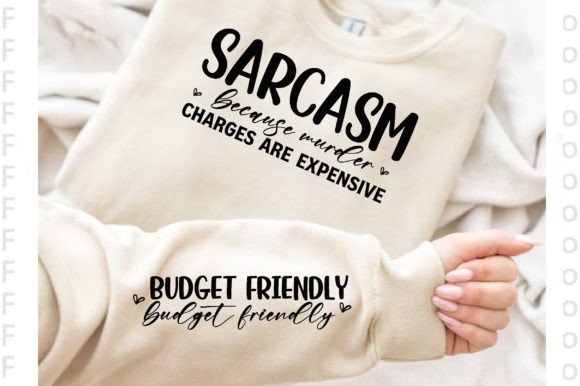
The phrase "Sarcasm Because Murder Charges Are Expensive" is a wry, self-deprecating joke that appeals to people who appreciate dark humor and sarcasm as a coping mechanism. The design typically features bold, readable typography, often with a slightly distressed or hand-drawn feel. It works across all ages and genders, from baby onesies (yes, really) to birthday shirts for women and men. Because the sentiment is widely relatable to anyone who has ever felt the urge to be sarcastic instead of confrontational, it has become a popular choice for print-on-demand sellers, crafters, and Etsy shop owners. The product description you see online usually promises a ZIP folder containing SVG, DXF, PNG, and EPS files, all with high resolution and transparent backgrounds. That sounds straightforward, but the details matter more than most people realize.
Mistake #1: Assuming All File Formats Are Identical
One of the most overlooked details is that not all SVG files or PNG files are created equal. Many buyers download the ZIP folder, see the formats, and assume they can use any file for any project. That is a fast track to blurry prints, broken cut lines, and wasted materials. The SVG and EPS files in your folder are vector formats designed for cutting machines like Cricut or Silhouette, and for professional sublimation printing. The PNG files, even at 300 dpi, are best for digital mockups, low-volume paper crafts, or quick transfers. If you use a PNG on a T-shirt without the proper transfer method, you risk pixelation and color bleed. Always match the file type to the intended application. Use vectors for cutting and large format printing, PNG for digital previews and light use.
Mistake #2: Ignoring the Differences Between Sublimation and Vinyl
Sublimation printing requires polyester or polymer-coated surfaces, while vinyl works on cotton and many other materials. This design is frequently sold for both uses, but the preparation is completely different. Beginners often buy the design and try to sublimate onto a 100% cotton T-shirt, only to have the image wash out or look faded. Before you even open the ZIP folder, decide what substrate you are using. If you are making mugs or polyester tumblers, sublimation is ideal. If you are making cotton T-shirts or canvas totes, use the vinyl or heat transfer paper method. The design itself is flexible, but the method is not. Ignoring this mismatch leads to unhappy customers and wasted inventory.
Mistake #3: Overlooking the Need for a Test Print
Professional creators always test before they produce at scale. Hobbyists and small business owners, eager to get products listed, often skip this step. A design that looks crisp on screen can become muddy, misaligned, or too large once printed. The "Sarcasm Because Murder Charges Are Expensive" design has a long phrase, which means spacing and font size matter enormously. A common oversight is not scaling the design to the product. On a baby onesie, the text needs to be compact and legible. On a poster, it can breathe. Always run a single test print on the exact material you plan to use. Check alignment, color accuracy, and readability. Adjust the file in your design software before committing to bulk production.
Mistake #4: Assuming the Design Works for Every Product Without Modification
This design is marketed for "men, women, children, babies, or birthday girls," and for products ranging from stickers to banners. That does not mean the same exact file works across all these items. The SVG file may be properly sized for a 10-inch T-shirt, but for a mug, you will need to scale it down significantly. For a tote bag, you might need to adjust the centering. Many users make the error of using the file as-is, leading to awkward placement or disproportionate sizing. The fix is simple: always open the file in your design program (like Inkscape, Illustrator, or Cricut Design Space) and resize it to match your product dimensions. Pay attention to the safe zone for your specific blank.
What to Check Before You Buy or Download
Before you purchase a ZIP folder containing this design, verify a few things. First, confirm that the file formats included match what your equipment or software requires. If you only have a Cricut and no PDF support, make sure the SVG and DXF are present. Second, look at the preview images carefully. Are there watermarks? Is the design shown on a mockup that looks professional? Low-quality previews often indicate low-quality source files. Third, read the shop or seller description closely. Does it specify commercial use rights? If you plan to sell physical products, you need a license that permits that. Many sellers include that in the description, but some do not. If the listing is vague, ask before buying. Fourth, check the resolution claims. 300 dpi PNG with a transparent background is standard, but some files come at 72 dpi, which is fine for screens but not for printing.
How to Get the Best Results with This Design
Once you have the ZIP folder, unzip it on a computer, not a phone. Extract all files to a dedicated folder so you do not lose track of the EPS or DXF. Open the SVG in a vector application first to inspect the paths. Look for any stray nodes, overlapping lines, or font issues. If the text is converted to outlines (which it usually is for commercial designs), you cannot edit the wording. Make sure you are comfortable with that. If you need to change the phrase, you may need to find a design that uses an editable font. For sublimation, print onto sublimation paper using the PNG file set to the correct mirror mode. For vinyl, use the SVG or DXF to cut your material. Weed carefully, especially around the inner spaces of letters like "a," "e," and "d." Apply using appropriate heat settings for your material.
Realistic Example: A Small Business Owner's Approach
Imagine you run a small Etsy shop selling sarcastic T-shirts. You buy the "Sarcasm Because Murder Charges Are Expensive" design, extract the ZIP folder, and choose the SVG for a unisex T-shirt. You open it in Cricut Design Space, resize it to fit a medium shirt, and cut black permanent vinyl. You weed the design, apply it using a heat press at 350 degrees Fahrenheit for 15 seconds with medium pressure. The result is clean, readable, and aligned properly. Your customer receives it, loves the humor, and leaves a positive review. That same week, you use the DXF file to cut freezer paper stencils for a craft fair banner. The versatility is real, but only if you process each file correctly. The same design can bring you diverse product lines when you take the time to match files to materials.
Common Overlooked Details That Affect Quality
Several small things can derail your finished product. The transparent background on the PNG file looks white in a folder, but it will be clear once placed. Beginners sometimes see a white area and think the background is opaque, leading to awkward layering. Another detail is the difference between DXF and SVG. DXF files are older and sometimes lose curve data. If your cutting machine software imports DXF poorly, switch to SVG. Also, note that EPS files are often used by graphic designers for vector proofing, but they may require specific software to open. Do not assume you can open EPS in a browser. Always have a compatible program like Illustrator, CorelDRAW, or Affinity Designer ready. Finally, check the spine orientation for bookmarks, journals, or greeting cards. The design is a phrase, so it should read left to right when the product is used normally.
Final Thoughts Before You Start Your Project
The "Sarcasm Because Murder Charges Are Expensive" design is a strong choice for anyone who wants to make bold, humorous products. It fits a wide range of audiences and items, and the file package you receive should be comprehensive. But success depends on how well you prepare. Test your file, verify your substrate, match your file format to your equipment, and always read the fine print on licensing. Avoid the temptation to rush. A little extra time spent on setup saves you from costly mistakes and frustrated customers. Whether you are making a single gift for a friend or launching a full product line, treat the design with the same care you would any professional asset. That is how you turn a sarcastic joke into a reliable bestseller.