Stained Glass Mushroom Sublimation: Bringing Vintage Charm to Modern Crafting
In recent years, the crafting world has seen a remarkable shift toward blending nostalgic aesthetics with cutting-edge production methods. One of the most captivating examples of this union is stained glass mushroom sublimation, a design trend that layers the luminous, nature-inspired look of stained glass with the convenience and versatility of sublimation printing. Whether you are a seasoned creator exploring new product lines, a small business owner looking to differentiate your offerings, or simply someone who loves whimsical, handcrafted visuals, this design style offers a fresh way to connect with an audience that values artistry and originality.
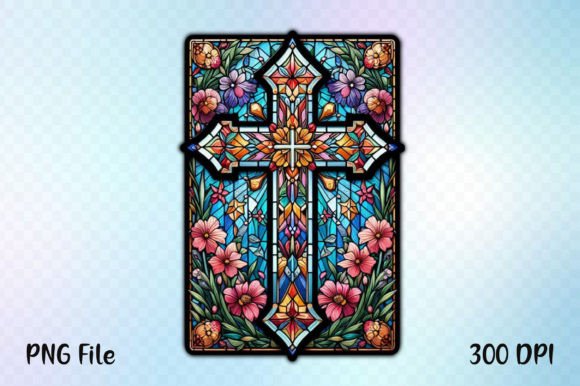
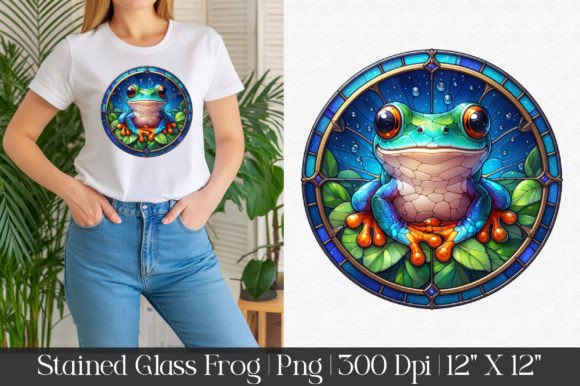
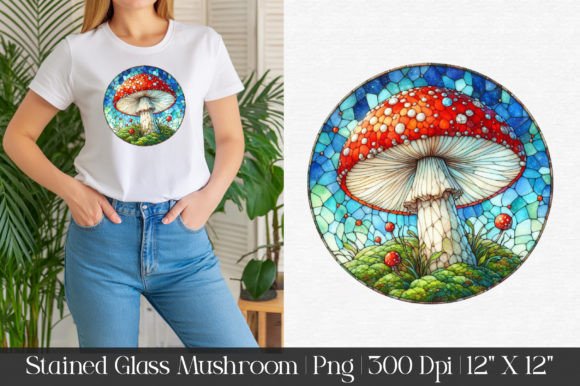
At its core, stained glass mushroom sublimation refers to digital artwork that mimics the segmented, light-filled panels of traditional stained glass, featuring mushroom motifs as the central subject. These designs are then applied to a wide array of surfaces using sublimation transfer techniques. The result is a vibrant, durable image that retains the intricate linework and translucent color feel of actual stained glass. The appeal lies not only in the nostalgic warmth of the imagery but also in how easily it adapts to modern workflows and consumer preferences.
Why Stained Glass Mushroom Art Is Resonating Now
Mushrooms have experienced a cultural renaissance over the past several years, appearing everywhere from home decor to fashion and digital illustration. Their organic shapes, earthy symbolism, and connection to forest ecosystems make them a natural fit for the growing biophilic and slow-living movements. When you combine that with the timeless allure of stained glass, you get a visual language that feels both familiar and unexpected.
Stained glass itself carries connotations of craftsmanship, heritage, and the interplay between light and color. By translating that into a sublimation-ready format, creators can bring that same sense of depth and warmth to products that are produced on demand, reducing waste and enabling small-batch runs. This matters because today's consumers increasingly seek items that feel personal, handmade, or limited in nature, even when manufactured digitally. Stained glass mushroom sublimation satisfies that desire without requiring the labor and expense of actual glasswork.
Moreover, the trend aligns with a broader shift toward nature-inspired themes in branding and lifestyle products. From wedding invitations to yoga studio merchandise, botanical and woodland motifs continue to perform well across demographics. The stained glass treatment elevates these motifs into something more decorative and statement-making, which appeals to customers who want their purchases to double as conversation pieces.
How the Format Supports Modern Creative Workflows
One of the most practical advantages of stained glass mushroom sublimation is the ease with which it integrates into existing production processes. The artwork is typically delivered as a high-resolution PNG file, often at 300 dpi with a 12 by 12 inch canvas and 3600 by 3600 pixel dimensions, along with a transparent background. This file specification is not arbitrary; it reflects what professional sublimation printers and on-demand platforms require for crisp, bleed-free transfers. The transparent background means you can place the design over any base color or patterned substrate without unsightly white borders, which is essential for achieving that stained glass effect on dark or colored materials.
Because the file is compressed into a single ZIP archive, it is easy to store, share, and organize. Creators who manage large libraries of digital assets will appreciate the standardized format. Once extracted, the PNG file can be imported directly into design software like Adobe Photoshop, CorelDRAW, Affinity Designer, or even free alternatives such as GIMP or Canva Pro. From there, resizing, recoloring, or combining elements is straightforward, provided you maintain the original resolution for physical output.
For sublimation specifically, the 300 dpi resolution ensures that the fine lines and color transitions characteristic of stained glass remain sharp after heat transfer. Lower resolutions tend to blur or pixelate, especially on textured surfaces like ceramic mugs or polyester fabric. This attention to file quality is what separates a professional-grade outcome from a mediocre one, and it is exactly why designers and print shops look for those specifications when sourcing clip art.
Practical Applications Across Product Categories
The versatility of stained glass mushroom sublimation artwork is one of its strongest selling points. Because it is delivered as a standalone PNG, you are not locked into a particular product or use case. The same design can be employed for:
- Sublimation blanks such as coasters, tumblers, mouse pads, jigsaw puzzles, and ceramic tiles, where the glossy surface enhances the luminous quality of the stained glass effect.
- Apparel and accessories including t-shirts, hoodies, tote bags, and bucket hats, provided they have a high polyester content to accept the sublimation ink.
- Home decor items like throw pillows, blankets, canvas wall art, and lampshades, where the mushroom motif adds a cozy, woodland accent.
- Paper goods and stationery such as greeting cards, bookmarks, notebooks, and scrapbook pages, where the transparent background allows for creative layering over patterned papers or painted backgrounds.
- Small gift items like keychains, magnets, ornaments, and sticker sheets, which are popular for craft fairs and online shops.
One realistic example: a small business owner who operates an Etsy shop specializing in nature-themed home goods might use a single stained glass mushroom design across a coordinating product set. A ceramic mug, a set of coasters, and a small wall hanging all featuring the same artwork can be sold as a bundle, increasing average order value while maintaining a cohesive aesthetic. Because the file is reusable without degradation, the upfront cost per design quickly amortizes across multiple sales.
What to Expect When Using the File
It is worth noting that digital files, no matter how well prepared, can appear slightly different depending on the monitor or device used to view them. Color variation between screens is normal, and the final printed result may differ from what you see on your display due to differences in calibration, ink formulation, and substrate characteristics. This is simply a reality of digital design, and experienced creators factor it into their workflow by running a test print on a scrap blank before committing to a production run.
When you receive a stained glass mushroom sublimation design, the file will likely arrive inside a ZIP folder. Extraction requires a utility such as WinZIP, WinRAR, or the built-in extraction tool on most modern operating systems. Once extracted, the PNG is ready to use. If you are new to sublimation, it is a good practice to keep the design in its original format and work from copies, so you always have the pristine master file available for future projects.
Another point worth considering: the transparent background is a feature, not a limitation. It gives you the freedom to place the design over any background color you choose, but it also means that the white base of the substrate will show through any areas where the design has no ink. For products that benefit from a fully covered surface, you may want to add a solid background layer behind the design. For items where you want the stained glass effect to feel airy and light, the transparency works beautifully as is.
Who Benefits Most from This Design Style
While the audience for stained glass mushroom sublimation is broad, certain groups will find it especially useful. Freelance graphic designers and digital illustrators can incorporate the artwork into client projects, saving time on original creation while still delivering a polished, thematic result. Print-on-demand entrepreneurs value the niche appeal of the design, which helps their listings stand out in crowded marketplaces. Educators and homeschoolers might use the imagery for classroom decorations, activity sheets, or nature study materials. Hobbyist crafters who run small Instagram shops or participate in local markets appreciate that they can produce professional-looking items without mastering advanced illustration techniques.
Even marketers and content creators who do not sell physical products can use the artwork for digital assets: social media templates, Pinterest pins, blog headers, or email newsletter graphics. The stained glass aesthetic reads well on screen and carries an artisanal connotation that can enhance brand perception.
Making the Most of the Design in Your Work
To get the best results from stained glass mushroom sublimation artwork, consider the following recommendations based on common practices among successful creators:
- Match the material to the design. High-contrast, colorful stained glass patterns show best on light or white substrates where the ink can fully saturate. Dark substrates can work, but you may need to test whether the design retains enough vibrancy for your taste.
- Pay attention to scale. A 12 by 12 inch design can be scaled down for smaller items, but scaling up beyond 100 percent may reduce sharpness. Plan your product sizes around the native resolution when possible.
- Experiment with layering. Because the background is transparent, you can place the mushroom design over other patterns, textures, or gradients. This opens up creative possibilities for unique product variations.
- Keep a usage log. If you are commercializing the design, track which products and platforms generate the most interest. This data helps you decide whether to invest in additional designs within the same style.
Why This Approach to Crafting Is Here to Stay
The convergence of nature imagery, heritage craft aesthetics, and digital production is not a passing fad. It reflects a deeper consumer desire for meaning, beauty, and connection in the objects they surround themselves with. Stained glass mushroom sublimation sits at that intersection, offering a way for creators to deliver those qualities without sacrificing efficiency or scalability. As more people seek out products that feel intentional and distinctive, designs that blend the old and new will continue to find an eager audience.
Whether you are preparing a product launch, refreshing a product line, or simply exploring a new artistic direction, this design style provides a reliable foundation. The file specifications are professional-grade, the subject matter has broad and enduring appeal, and the format gives you full control over how and where the artwork is used. With thoughtful application, it can become a signature element in your creative repertoire.