Top Plaid Copper Pattern Background Watercolor PNG KDP Digital Paper: A Strategic Asset for Thoughtful Design
When you are building a brand, publishing content, or designing products that need to communicate a specific tone, every visual element matters. The Top Plaid Copper Pattern Background Watercolor PNG KDP Digital Paper is not merely another decorative file in a crowded marketplace. It is a deliberately crafted resource that, when used with intention, can elevate your work from ordinary to memorable. Understanding what this digital paper offers and how to deploy it strategically can make a meaningful difference in how your audience perceives your output.
What Makes This Digital Paper Distinct
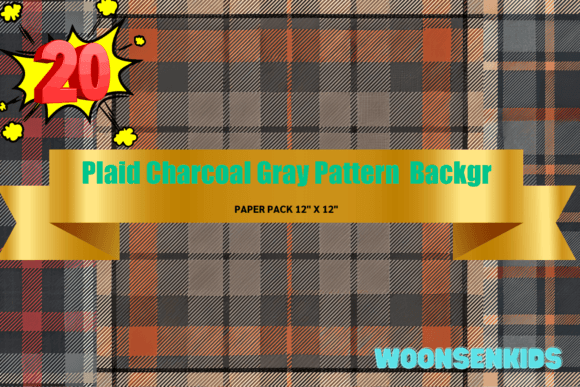
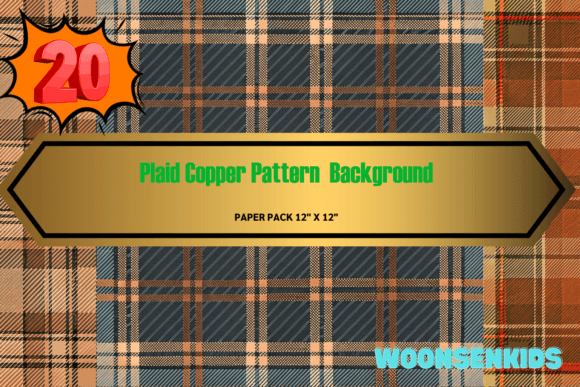
At its core, this product is a set of twenty PNG files, each measuring twelve by twelve inches at 3600 by 3600 pixels with a resolution of 300 DPI. That technical foundation ensures you are working with files that retain clarity whether you use them on screen or in print. The plaid pattern itself carries a watercolor finish, which introduces a handcrafted, organic feel. The copper tone adds warmth and a subtle metallic sensibility without being overpowering. This combination of structure and softness is rare in digital patterns, and it is exactly why the Top Plaid Copper Pattern Background Watercolor PNG KDP Digital Paper can serve as a versatile foundation for many projects.
Unlike purely geometric or perfectly digital patterns, the watercolor element introduces slight variations in texture and opacity. That imperfection is actually a strength. It allows the design to feel approachable and artistic, even when applied to professional contexts like book covers or branding materials. For creators who need a background that works hard without shouting, this pattern offers a balanced middle ground.
Strategic Use in Creative Projects
The true value of any design asset lies not in how it looks in isolation, but in how it performs within a specific context. The Top Plaid Copper Pattern Background Watercolor PNG KDP Digital Paper is particularly effective when your goal is to communicate sophistication, reliability, or warmth. The plaid structure conveys order and tradition, while the watercolor finish softens that rigidity, making the design feel current and accessible.
Consider a scenario where you are designing a KDP book cover for a nonfiction title aimed at professionals. A solid color background might feel flat, while a busy photograph could distract from the title. This plaid pattern, with its copper undertones, provides visual interest without competing with your typography. It frames the content rather than overwhelming it. Similarly, for interior templates, using this pattern as a subtle background element on chapter pages or section dividers can create a cohesive, polished reading experience.
Branding and Positioning
If you are building a brand around artisan products, home goods, or educational materials, the choice of background pattern becomes part of your identity. The Top Plaid Copper Pattern Background Watercolor PNG KDP Digital Paper can reinforce a brand voice that values quality, craftsmanship, and attention to detail. Using it consistently across your website, social media graphics, product packaging, and print materials creates a visual thread that helps customers recognize and trust your work.
That said, consistency does not mean using the pattern everywhere without variation. The twenty included files give you room to rotate between similar but distinct variations, keeping your visuals fresh while maintaining a unified aesthetic. This is a practical approach to brand asset management that supports long-term recognition.
Practical Applications Across Different Mediums
One of the strengths of this digital paper pack is its format. PNG files with transparency options and high resolution allow you to adapt the pattern to a wide range of uses without losing quality. Here are several realistic applications where the Top Plaid Copper Pattern Background Watercolor PNG KDP Digital Paper can add strategic value:
- Book covers for KDP and other platforms: The pattern works as a full background or as a bordered frame. Copper tones pair well with both dark and light typography, giving you flexibility in your cover design.
- Greeting cards and stationery: The watercolor plaid feels personal and crafted, which aligns well with occasion-based communication. A birthday card or thank-you note using this design feels intentional rather than generic.
- Product labels and packaging: For small businesses selling candles, soaps, or artisanal food items, this pattern can be used as a label background or as wrapping paper. The copper tone adds a premium feel without requiring metallic inks.
- Digital wallpapers and desktop backgrounds: For bloggers or content creators, offering a branded desktop wallpaper featuring this pattern can be a simple way to keep your audience engaged with your visual identity.
- Print on demand products: Mugs, notebooks, tote bags, and phone cases benefit from patterns that are neither too busy nor too plain. This plaid balances those extremes well.
Planning Your Approach
Before you open the files and start applying the pattern, take a moment to clarify your objective. Are you trying to establish a mood, reinforce a brand color palette, or simply add texture to an otherwise flat design? Each goal suggests a different approach. For example, if your aim is to create a calming, sophisticated mood, consider using the pattern at a reduced opacity or scale. If you want to make a bold statement, let the copper tones dominate the page.
Planning also involves considering your audience. A plaid pattern with a watercolor finish may resonate differently with a demographic looking for modern minimalism versus one drawn to classic, detailed aesthetics. Test the pattern on a small sample of your target audience if possible. Feedback on whether the pattern feels warm, professional, or distracting can guide your final design decisions.
Risks of Using a Pattern Without Clear Intent
No design asset is inherently good or bad. Its effectiveness depends entirely on how well it aligns with your goals. Using the Top Plaid Copper Pattern Background Watercolor PNG KDP Digital Paper without a clear strategy carries several risks that are worth considering.
First, a plaid pattern, even one with a watercolor finish, can introduce visual noise if overused. Applying it to every page of a book interior or every section of a website may overwhelm the viewer and dilute the impact of your primary content. Second, the copper tone, while elegant, may clash with certain color schemes if not carefully matched. Always sample the pattern alongside your other design elements before committing to a full layout.
Another risk is using the pattern in a context where it contradicts the message you intend to send. For example, a plaid pattern might evoke traditional, formal, or rustic associations. If your product or content is aimed at a cutting-edge tech audience, this pattern could feel out of place. Understanding the connotations of plaid and copper helps you avoid mismatched communication.
How to Avoid Pitfalls
The most direct way to mitigate these risks is to define your design brief before you select any asset. Write down the emotional tone you want to convey, the primary function of the design (to inform, to sell, to decorate), and the context in which it will be viewed. Then evaluate whether the Top Plaid Copper Pattern Background Watercolor PNG KDP Digital Paper serves that brief better than a solid color, a photograph, or a different pattern would.
Additionally, always test the pattern in its final medium. A pattern that looks beautiful on a high-resolution monitor may appear muddy when printed on uncoated paper, or it may lose its subtlety when scaled down for a mobile screen. Print a sample, view it on different devices, and adjust opacity or size as needed.
Long-Term Value and Reusability
One of the most strategic reasons to invest in a well-made digital paper pack is its reusability. The twenty files in this set give you a library of variations that can be applied to multiple projects over time. A single purchase can support your work for years if you store the files in an organized manner and recall what you have available when planning new designs.
This is particularly valuable for freelancers and small business owners who manage their own design work. Instead of searching for a new background pattern for every project, you can return to a trusted set that you already know works well with your brand. The Top Plaid Copper Pattern Background Watercolor PNG KDP Digital Paper can become a staple in your creative toolkit, saving you time and ensuring consistency across your body of work.
Integrating Into Your Workflow
Adopt a simple system for using these files. When you start a new project, open the folder of patterns and quickly preview which variations complement your current color palette and typography. Keep a shortlist of your favorite files, and note which ones performed best in past projects. Over time, you will develop an intuitive sense of when to reach for the copper watercolor plaid versus other options.
For those who create templates or design assets for resale, this pack can also serve as a component in larger bundles. Pair it with complementary textures, fonts, and icons to create comprehensive design kits that offer more value to your customers.
Decision-Making Guidance for Creators
When you are deciding whether to use this digital paper, ask yourself three questions. First, does the copper-toned plaid align with the emotional response I want my audience to have? Second, does the watercolor texture add to the perceived quality of my product, or does it introduce unwanted complexity? Third, am I using this pattern because it fits my strategic goals, or simply because it looks attractive in isolation?
Honest answers to these questions will guide you toward intentional use. The Top Plaid Copper Pattern Background Watercolor PNG KDP Digital Paper is a tool, and like any tool, its value is determined by the skill and thoughtfulness of the person wielding it. When you approach it with clarity about your objectives, it can help you produce work that feels cohesive, professional, and memorable.
Ultimately, the best designs are those where every element has a reason for being there. By choosing this pattern with purpose, you are already ahead of those who rely on random decoration. Thoughtful selection, careful testing, and consistent application will ensure that your investment in this digital paper pays dividends across your creative projects for a long time to come.